North East AI Agents Day
🗓️ May 8th, 2026
📍 Jane Street Offices, New York
The goal of this workshop is to offer a comprehensive overview of AI agents, bring ML, Systems, and HCI research communities together to share progress, discuss common problems and evaluation setups, and identify opportunities for collaboration. We aim to bring together attendees from diverse disciplines to foster interdisciplinary collaboration and discuss open research questions.
Call for Papers
We welcome contributions to a broad range of topics on the design, development, systems support, and applications of AI Agents.
Interfaces and Embodiment
How should agents perceive and act within their environments (e.g., through tool use, exploration, or interactions)?
Training Recipes and Data for Agentic Behavior
Enhancing agent capabilities through more effective training algorithms and better data mixtures, and evaluation-driven practices.
Safety and Societal Implications
Guardrails necessary to ensure AI agents operate safely in real-world settings, plus ethical and economic considerations.
Human-Agent Interaction, Alignment, and Personalization
How to personalize AI agents to adapt their behavior to dynamic user preferences across diverse contexts.
Applications
Computer use, data science, applications for science (e.g., scientific discovery and deep research), education, healthcare, and software development.
Benchmarking and Evaluation
Development of robust environments and evaluation metrics that capture the diversity of real-world settings.
Scalable Architectures for Training and Running Agents
Infrastructure to train, evaluate, and deploy agents reliably at scale under strict latency, cost, data, and quality requirements.
Context, State, and Orchestration of Agentic Systems
Mechanisms for managing agent state representation and coordination through shared data, memory, or environments.
Governance, Observability, Debugging, and Reproducibility
Building tools for tracing, provenance, replay, and root-cause analysis supporting agent inspection and reproducibility.
Submit
We welcome one-page extended abstract submissions. Upon acceptance of the abstract, you are free to link a full paper, code, or data to the abstract in your talk or poster.
Register
Organizers




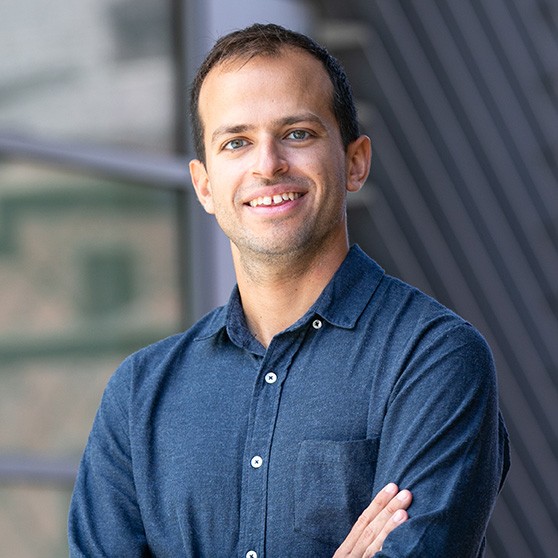
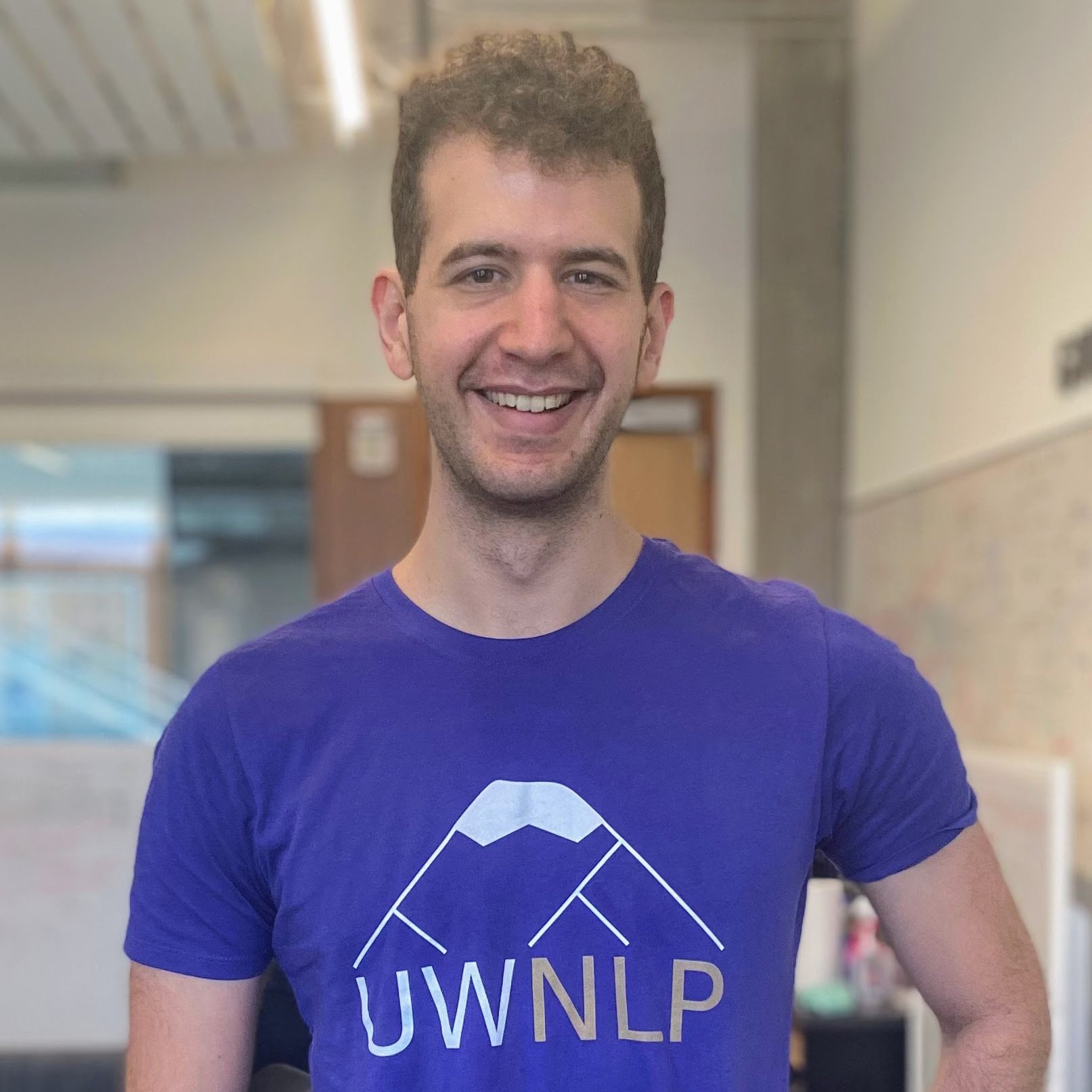

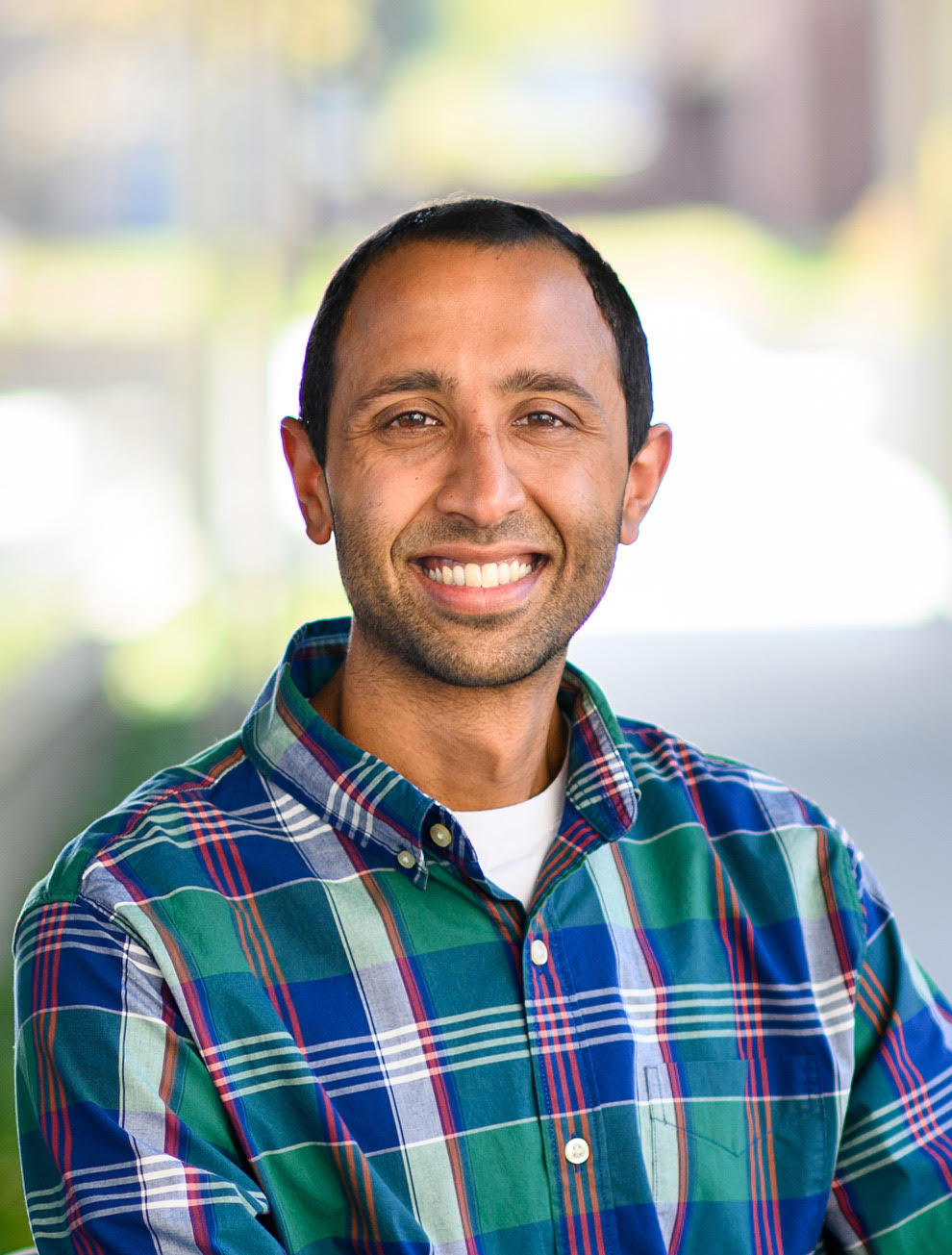
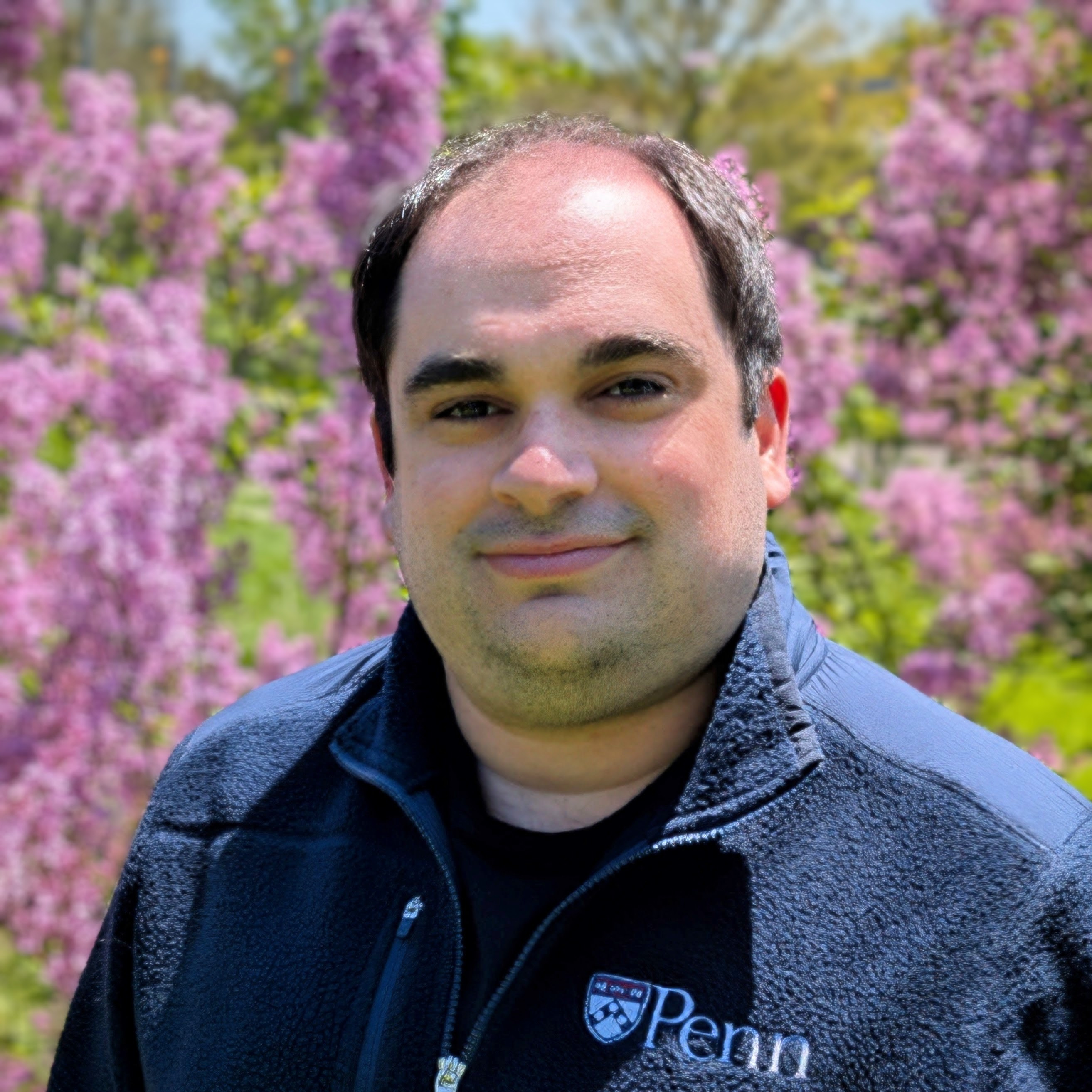




Sponsors
Contact ewu@cs.columbia.edu if interested in supporting student travel, prizes, and the event.